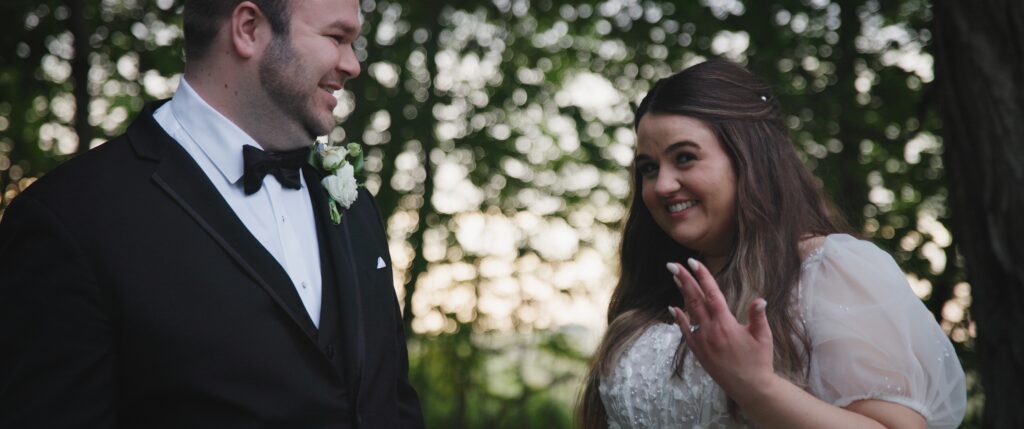
A lot of couples start searching for a wedding videographer and quickly run into the same problem: everything looks beautiful, but much of it feels interchangeable. Slow motion. A drone shot. A few posed kisses at sunset. It may be polished, but that does not always mean it feels like your wedding.
That distinction matters more than most couples realize at first. A wedding film is not just proof that the day happened. It is one of the only ways to return to voices, movement, and emotion exactly as they were. Years from now, the value of your film will not come from how trendy it looked in the moment. It will come from whether it still feels true.
What a wedding videographer actually does
Cinematic wedding videography is often described by style alone, but style is only part of it. Yes, it can mean beautiful framing, thoughtful editing, natural audio, and a strong sense of pacing. But the best cinematic work is not simply dramatic footage with music underneath. It tells a story with care.
A strong cinematic wedding film lets you feel the rhythm of the day. It knows when to linger and when to step back. It notices the quiet exchanges as much as the grand moments. It does not flatten the wedding into a generic highlight reel. Instead, it helps the day unfold in a way that feels personal to the people who lived it.
This is where many couples find the real difference between a film that is pleasant to watch once and a film they return to for decades. The best cinematic wedding film is not only visually refined. It is emotionally precise.
A wedding film should feel like your wedding
The most meaningful wedding films do not try to turn every couple into the same couple. They make room for personality. If you are reserved, your film should not feel loud or overly produced. If your day is elegant and understated, the final edit should not feel rushed or theatrical. If your family is deeply expressive, the film should hold onto those voices and reactions instead of replacing them with pure music and visuals.
That is why chemistry with your videographer matters so much. A calm, observant filmmaker often gets more honest footage than someone who is constantly interrupting the day for one more setup. For couples who do not love being on camera, this can make all the difference. You should not feel like you are performing your wedding for the film. The film should be built around what naturally happened.
There is a trade-off here, and it is worth naming. More directed productions can create striking images, especially if a couple enjoys the process and wants that editorial feel. But a highly staged approach can also pull you out of the day. A more unobtrusive style may be less controlling in the moment, yet it often creates something far more personal in the end.
Look beyond the highlight reel
One of the easiest mistakes to make when choosing a videographer is judging everything by short highlights. A highlight film can be beautiful and still tell you very little about how the rest of the wedding is handled.
Ask what is preserved beyond the cinematic edit. Are the full ceremony and speeches included? Will you be able to hear your vows, the toasts, and the small details that become more meaningful over time? Does the filmmaker know how to document the day as it actually unfolded, not just the parts that fit neatly into a four-minute montage?
This is where couples often discover what they really value. The cinematic film may be what first catches your attention, but the documentary side of the coverage is often what becomes priceless later. You may watch the shorter film on anniversaries, but you will also want the complete ceremony, the full speeches, and the chance to see moments you missed while living them.
The strongest approach usually does not force you to choose between artistry and preservation. It gives you both. That’s why I feel strongly about including both a cinematic wedding film and a documentary film in my wedding collections. I don’t think couples should have to choose between the two.
Curious what I mean by a documentary wedding film? Learn more about my approach here.
How to judge quality without getting lost in technical terms
You do not need to know cameras or frame rates to recognize thoughtful work. Start by paying attention to how a film makes you feel. Does it pull you in, or does it simply look expensive? Do the people on screen seem comfortable and present? Can you sense a real story, or only a series of attractive shots?
Then listen. Audio is one of the clearest signs of quality. Clean vows, meaningful snippets of speeches, and natural ambient sound give a wedding film emotional weight. Without strong audio, even beautiful footage can feel distant.
Also notice the editing. Good pacing feels natural. Nothing drags, but nothing is hurried just for effect. Music supports the story instead of overpowering it. Transitions feel intentional. And perhaps most importantly, the film leaves room for genuine emotion rather than trying to manufacture it.
Questions worth asking before you book
When couples search for the right wedding videographer, they often focus on package details first. Those details matter, but the better starting point is philosophy.
Ask how the filmmaker approaches the wedding day. Do they direct heavily, or do they observe with a lighter touch? Ask how they balance cinematic storytelling with documentary preservation. Ask what they deliver beyond the featured film. Ask how they work alongside photographers and planners so the day flows well.
It is also wise to ask to see more than one polished sample. A full ceremony, full speeches, or a more complete wedding gallery can reveal consistency in a way a curated reel cannot. You are not only hiring someone to make a beautiful trailer. You are trusting them with the living memory of the day.
For couples in Indianapolis and throughout Indiana, this practical side matters just as much as the artistic side. Wedding days move quickly. Timelines shift. Light changes. Weather changes. A seasoned filmmaker brings calm to all of that. Experience is not just about image quality. It is about knowing how to stay steady when the day becomes emotional, busy, or unpredictable.
The role of trust in a wedding film
The best wedding films are made in an atmosphere of trust. When couples feel at ease, they behave like themselves. When families stop noticing the camera, real moments surface. When a filmmaker is grounded and unobtrusive, the film gains honesty.
That trust is built long before the wedding day. It comes from clear communication, a consistent body of work, and an approach that respects the wedding as something more than content. You should feel understood by the person filming your day. Not sold to. Understood.
This is one reason many couples are drawn to a filmmaker whose work feels timeless rather than trendy. Trends move fast. A certain edit style, music choice, or social-media-driven format can feel fresh now and dated later. A film rooted in real emotion tends to age differently. It stays meaningful because it is tied to people, voices, and memory instead of whatever style was popular that year.
For me, that means creating a cinematic film that tells the story of the day and a documentary film that preserves it as it happened. For many couples, that balance feels right because it honors both beauty and memory.
Choosing a wedding videographer for the long term
A helpful way to make this decision is to picture yourself ten or twenty years from now. What will matter then? Probably not whether every shot matched a trend you saw online. More likely, you will care that your partner’s voice is clear during the vows. That your parents’ expressions were captured. That the speeches are complete. That the film still feels like the two of you.
The best wedding films are not the most dramatic or the most elaborate by default. It is the work that preserves the emotional truth of the day with skill, taste, and restraint. It knows that beauty matters, but honesty matters more.
When you find a filmmaker who can hold both, the result is not just a wedding video. It becomes a family record. Something you return to when life has changed, when people have aged, when details have softened in memory. A good film helps you remember. A great one lets you feel it again.
If you are choosing carefully, trust the work that feels human. That instinct is usually pointing you in the right direction.