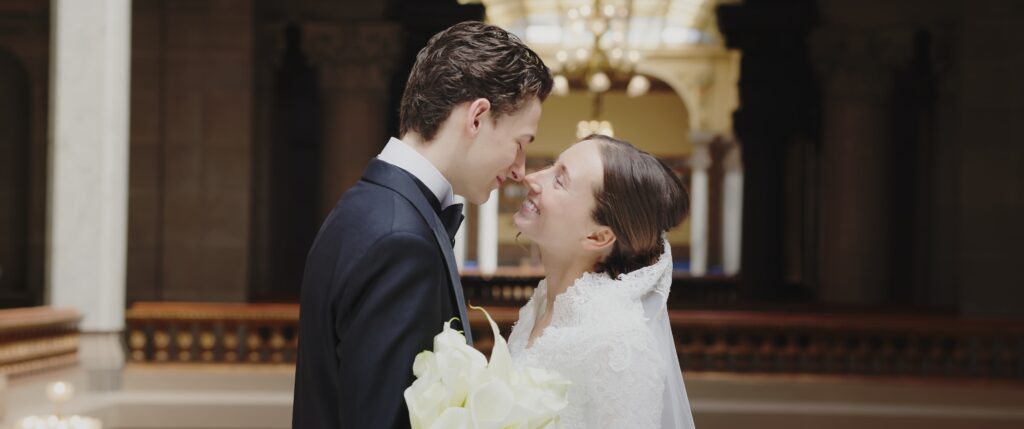
A few years from now, the flowers will be pressed into a book, the dress will be carefully stored away, and some parts of the day will already feel softer around the edges. That is why wedding films matter. They do more than show what happened. They bring back the pace of the morning, the sound in your partner’s voice during vows, and the feeling in the room when the people you love were all in one place.
For many couples, that difference becomes clear when they start thinking beyond a short highlight reel. A wedding day moves quickly. There are large moments everyone expects, and there are quieter ones that often become just as meaningful later – a deep breath before the ceremony, your parents’ expressions during toasts, the way your friends sound when they laugh together on the dance floor. A thoughtful film should hold both kinds of memories with care.
What makes a wedding film feel cinematic?
The word cinematic gets used a lot in the wedding industry, but it doesn’t have to mean dramatic camera moves or a heavily staged day. At its best, a cinematic wedding film tells the story of your wedding with intention. Through thoughtful composition, natural sound, pacing, and editing, it helps you relive not just what happened, but what it felt like, without asking you to perform for the camera.
A cinematic film is more than a collection of beautiful shots set to music. It has shape. It gives the day a sense of movement and emotional rhythm. It notices where the anticipation builds, where the emotion lands, and where the celebration opens up. When done well, it feels less like watching a video and more like stepping back into a memory.
That’s one reason timeless films outlast trend-driven ones. Trends are designed to impress you in the moment. Story is what stays with you.
I believe the cinematic film is only half the story. That’s why every wedding I film includes both a cinematic film and a documentary film. The cinematic film captures the emotional arc of the day, while the documentary film preserves your ceremony, speeches, and other meaningful moments in full. Together, they don’t ask you to choose between beautiful storytelling and complete preservation—they give you both.
Story matters more than spectacle
Many couples worry they’ll feel awkward in front of the camera. The good news is, you don’t have to perform for a meaningful wedding film.
Some of the most memorable moments happen when no one is thinking about being filmed. A grandmother reaches for your hand during the ceremony. Your partner tears up during a speech and quietly laughs it off. Friends pull you onto the dance floor before you’ve even decided you’re ready. These moments can’t be planned or recreated. They simply have to be noticed.
That’s why I take a calm, unobtrusive approach throughout the day. Rather than constantly directing or interrupting what’s happening, I focus on observing. That allows real moments to unfold naturally while still creating a film that feels thoughtful, cinematic, and emotionally rich.
Authenticity and artistry aren’t opposites. In fact, they work best together. A beautifully composed wedding film doesn’t have to feel staged. Sometimes the most powerful images are simply real life, captured with care.
Why sound is often the most powerful part
When couples think about their wedding film, they usually picture the visuals first. Beautiful portraits. Emotional moments. The excitement of the dance floor. But over the years, I’ve found that it’s often the audio people treasure most.
The slight shake in a voice during the vows. A parent’s laughter in the middle of a toast. The room settling into silence just before the ceremony begins. These are the details that make a memory feel present. They don’t just remind you what happened. They remind you what it felt like to be there.
Music absolutely has its place in a cinematic wedding film, but I believe it should support the story rather than replace it. Real voices carry an emotional weight that no soundtrack can recreate. They anchor the film in your actual experience, making it feel honest, personal, and unmistakably yours.
That’s one of the reasons every wedding I film includes both a cinematic film and a documentary wedding film. The cinematic film tells the story of your day in a way that’s emotional and immersive. The documentary film preserves your ceremony and speeches in full, allowing you to hear every word exactly as it was spoken.
Years from now, you may not remember every detail of your wedding day. But you’ll always be able to hear your vows, your parents’ voices, and the laughter of the people who celebrated alongside you. One film tells the story. The other preserves the memories.
A film should feel timeless, not trendy
Every couple wants a wedding film that feels modern and beautifully made. I do too. But there’s a difference between creating something that feels current and creating something that’s built around today’s trends.
Fast edits, heavy effects, and social media-style pacing can be exciting in the moment. Sometimes they’re exactly the right fit. But when those choices become the focus, they can pull attention away from the people and moments that actually matter.
I’ve always believed the story should come first. Trends change. The way films are edited changes. But the emotions of your wedding day don’t. That’s why I try to create films that feel just as meaningful on your thirtieth anniversary as they do the week you receive them.
For me, timelessness comes from restraint. Natural color. Honest pacing. Real emotion that’s allowed to unfold without being rushed. Those choices may be quieter, but they leave room for the people, the conversations, and the relationships that make your wedding uniquely yours.
The value of having both a cinematic and documentary film
Over the years, I’ve realized something: couples shouldn’t have to choose between a beautiful wedding film and a complete record of their day.
That’s why every wedding I film includes both.
The cinematic wedding film tells the story. It brings together the moments, emotions, and sounds of the day into a film you’ll want to watch on anniversaries and share with family and friends. It’s crafted to help you relive not just what happened, but what it felt like.
The documentary wedding film serves a different purpose. It preserves your ceremony and speeches in full, allowing you to hear every vow, every toast, every laugh, and every pause exactly as they unfolded. These are the moments that often become even more meaningful with time.
I’ve had couples tell me years after their wedding that the documentary film became one of their favorite parts of the collection. As life changes and loved ones grow older, there’s something incredibly special about being able to hear those voices again and experience those moments exactly as they happened.
For me, that’s what wedding filmmaking is really about. The cinematic film tells the story. The documentary film preserves the memories. Together, they create something I believe is far more meaningful than either film could be on its own.
The wedding films that last
The real test of a wedding film isn’t how it feels the week you receive it. It’s how it feels ten, twenty, or even thirty years later.
Will it still bring you back to the moment you exchanged your vows? Will it let you hear the voices of the people who celebrated with you? Will it help future children or grandchildren understand what that day meant?
Those are the questions I think about every time I film a wedding.
That’s why I believe every couple deserves both a cinematic film that tells the story and a documentary wedding film that preserves it. One helps you relive the emotion of the day. The other ensures those moments are never lost.
Years from now, the flowers will be gone, the cake will be a memory, and even the smallest details of the day may begin to fade. But your wedding film can still bring you back.
Because the best wedding films aren’t the ones that simply look beautiful.
They’re the ones that still feel like home every time you press play.
Want to Learn More?
If you’re curious about how I approach wedding filmmaking, you might also enjoy:
- What Is a Documentary Wedding Film? – Learn why I include both a cinematic film and a documentary film with every wedding.
- Wedding Videography – Explore my approach, watch real wedding films, and learn what it’s like to work together.